
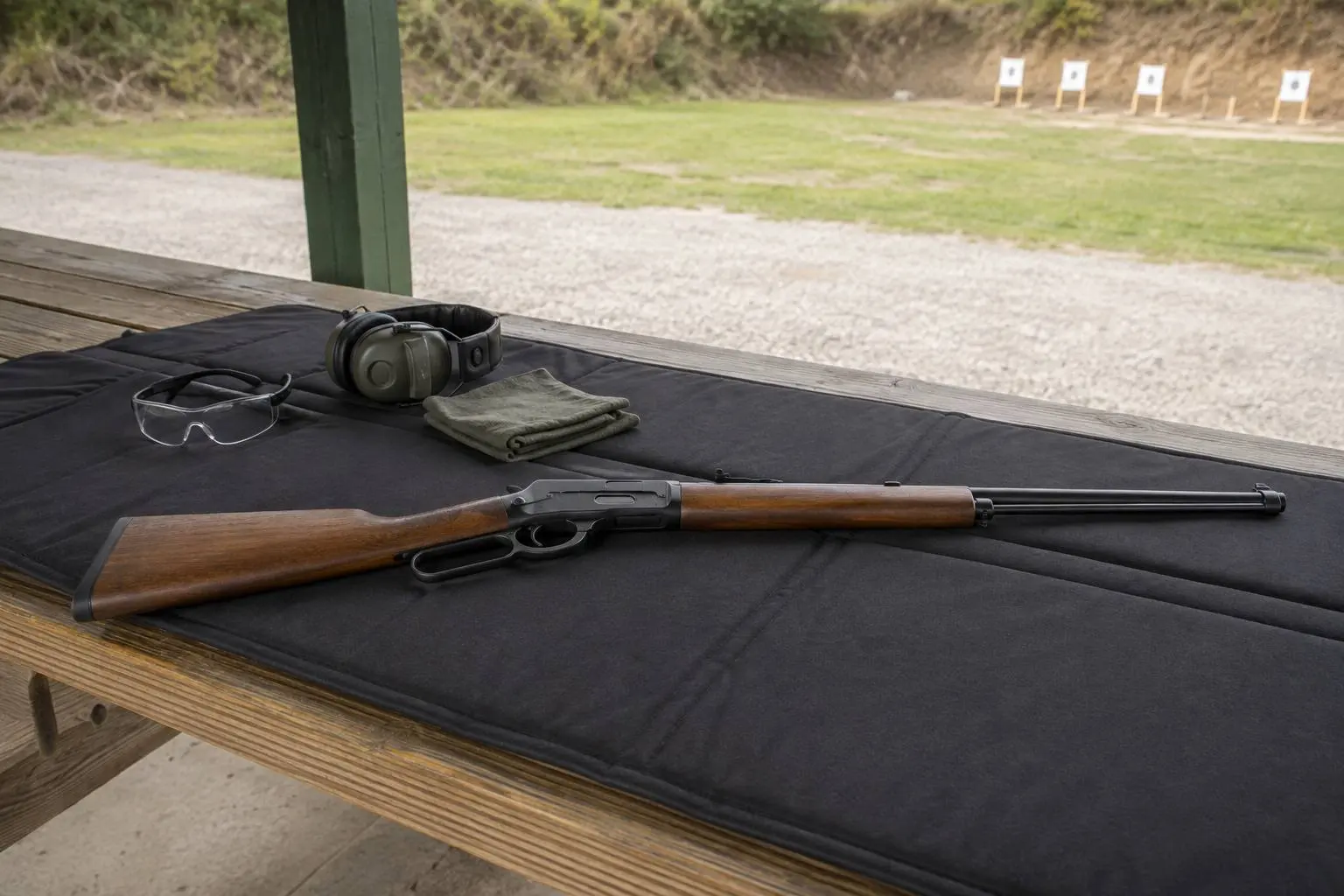
A range session can be ruined before the shot by a problem that should have been obvious at home. Things like a sight, a damaged seal, a dead battery, a leaking gas magazine or an unsuitable backstop can all cause trouble. Finding these issues in the car park is annoying. Discovering them after you've loaded your gun is a safety risk. Taking a few minutes to do an inspection gives you time to fix, replace or leave behind faulty gear. It also helps confirm that the location and your equipment are right for the session you planned.
Start with the equipment unloaded
Always treat every BB gun or airsoft gun as if it's loaded until you personally check it and confirm otherwise. Keep the muzzle pointed in a direction. Remove the magazine or any source of ammunition. Then follow the manufacturer's instructions to clear the action. Keep your finger off the trigger and well outside the trigger guard. If the gun has a safety switch use it.. Never rely on the safety to replace safe habits like muzzle discipline or making sure the gun is truly unloaded.
Inspect the outside of the gun before doing anything. Check the stock, grip, handguard, sights and any accessory mounts. Look for cracks, movement or missing screws. If a part moves when you gently push it don't just tighten it much as you can. Damaged threads or a cracked mount might not be safe to fix with a wrench. Never use equipment that has a flaw, a split part or an action that doesn't work the way the manual says it should.
For replicas look at the magazine lips the feed area and the hop-up chamber. Check for damage or anything that might block the BBs. For BB guns examine the muzzle area and the loading system.. Do not insert any tool or object into the barrel. If something looks blocked, stop. Don't try to force it open. Instead contact the manufacturer or a qualified technician for advice.
Check function without rushing the trigger
A inspection is not a test-firing. Once you've confirmed the gun is unloaded operate the controls step by step according to the manual. Check for any resistance grinding sounds, wobble or parts that don't return to their normal position. A trigger that feels different a selector that won't move smoothly or a safety that doesn't click into place-these are all reasons to stop using the gun.
Check CO2 cartridges, air reservoirs, batteries and gas magazines for any signs of damage. Look for corrosion, swelling, leaks or a poor fit. Never use a damaged cartridge, a faulty battery or a leaking power source. Keep batteries in protective storage when transporting them. Follow the product's rules for charging and storing. If you notice a battery that's warm, swollen or physically damaged isolate it safely. Then follow the battery maker's safety instructions.
Ask yourself: has anything changed since the time I used this? New ammunition, a replacement magazine, a dropped replica, long storage or a recent cleaning-all of these mean you should take care. If the answer is yes only test the gun in a controlled area. Use a backstop and follow the range's rules exactly.
Match ammunition, targets and protective equipment
Ammunition is part of the inspection. Make sure the BBs or pellets are the type and size. Check that they are clean, undamaged and kept away from moisture and dirt. Do not mix ammunition with a precision feeding system. Don't assume a bottle labeled for one gun works in another. Each system has its requirements.
Eye protection must fit snugly. Meet the standards for the activity and the range's rules. Regular glasses may not offer coverage or impact resistance. For airsoft check whether the venue requires full-seal goggles, face protection or a specific rating. Hearing protection is also smart around airguns or shared ranges even when not required.
Also check the target and backstop. Only shoot at a location that's legal and where the backstop is built to contain the ammunition and stop ricochets. Avoid surfaces like concrete, rocks or metal. These can send BBs or pellets flying in directions. Never shoot at glass, metal or objects that might hide a person, animal, road, building or other property behind them.
Use one practical pre-range checklist
Before you leave go through this checklist and mark anything that needs attention:
– Equipment's unloaded looks intact and has no visible blockages.
– Trigger, safety, selector and magazine mechanisms work as they should.
– Power source, seals, battery and reservoir show no damage or leaks.
– Ammunition is correct, clean, dry and compatible with the gun.
– Eye protection and any required face or hearing protection are ready.
– Target and backstop match the equipment and the location.
– Case or bag transport plan and range rulesre confirmed.
– Cleaning supplies a small tool kit and spare parts are packed only if allowed and really needed.
The last items often reveal planning mistakes. Range rules can change. They may be different from one venue to another. Some may have rules about how magazinesre transported whether loaded magazines are allowed, chronograph checks, firing positions or equipment types. Always check the range's published instructions before you go. Laws on ownership, transport, use and storage also vary. They can change. Do not rely on forum posts or a friend's opinion. Always consult official guidance for your area.
Know when to postpone the session
Missing a session is better than making do with gear. Postpone if your equipment shows power loss, inconsistent feeding, a damaged seal, a loose barrel or sight a safety that won't work or any crack that could affect how you handle the gun. Trying to fix a problem by running the gun or increasing power can make things worse. It can also break range rules or safety standards.
After you finish shooting unload the gun before leaving the firing point. Keep the muzzle in a direction. Follow the venue's rules for ceasefire and storage. At home store the gun and ammunition according to the manufacturer's instructions and local laws. Wipe off dirt and moisture. Look for damage. Write down any issues while they are still fresh in your mind.
Good range preparation isn't about pushing equipment to do more than it was designed for. It's about finding problems early choosing the right place to shoot and stopping when things aren't right. That habit leads to more responsible shooting, than any last-minute fix or quick workaround.